 Yaya Quality Fence Corp
Understanding the Importance of a Well-Planned Fence Installation
Installing a fence can be a game-changer for your property. It adds privacy, boosts security, and enhances curb appeal. However, not all fences are created equal. It’s important to pay attention to the installation process to ensure durability and function. A well-installed fence will last longer, resist weather conditions better, and require less maintenance over time. Here, we focus on breaking down the essential steps involved in installing a fence made from polyvinyl chloride (PVC), so you feel prepared and informed for your next project.
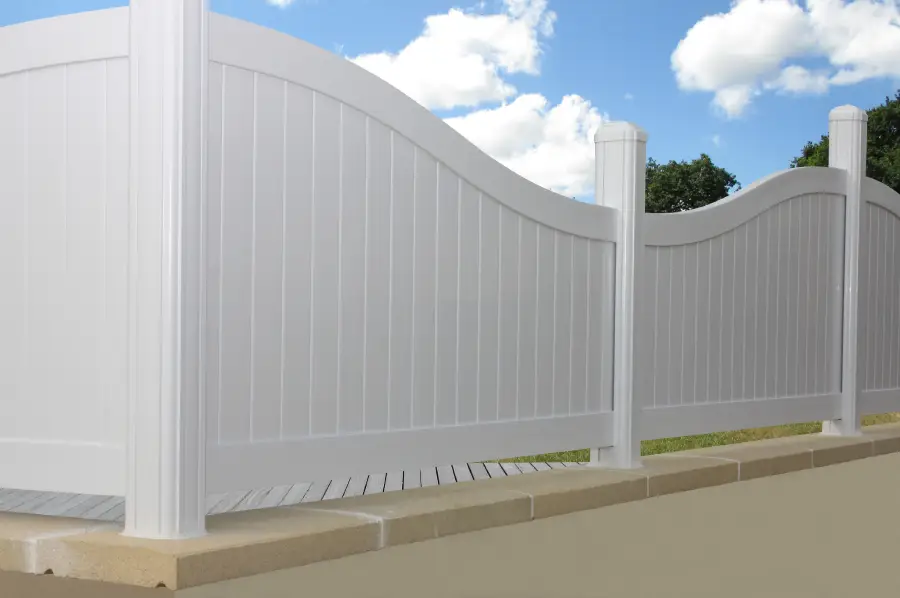
Gathering Essential Materials
The first step in any successful fence installation is gathering all necessary materials. For a PVC fence installation, you’ll need posts, panels, brackets, screws, and cement. Make sure to have tools like a level, post hole digger, and power drill on hand. Check that all materials meet quality standards and are suitable for outdoor use. Having everything ready before starting ensures a smoother process without interruptions.
Planning the Layout
Before diving into the actual work, plan the layout carefully. This includes measuring the area where the fence will go and marking where each post should be placed. Use stakes and string to visualize the line of your future fence. Planning helps avoid mistakes such as uneven lines or misaligned posts, which can compromise the fence’s stability and appearance.
Digging Post Holes
One crucial step in installing any kind of fence is digging post holes. For PVC fence installation, make sure each hole is deep enough to provide stability but not too wide that it becomes difficult to fill securely with cement. Typically, holes should be one-third the height of the post above ground. Properly set posts form the backbone of a sturdy fence.
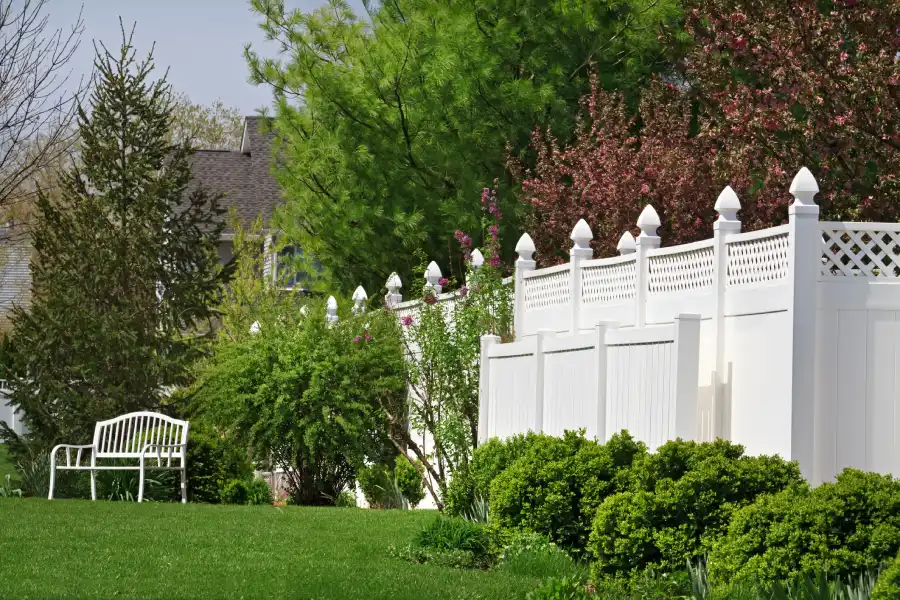
Setting Posts Correctly
Once the holes are ready, it’s time to set the posts. Place each post in its designated hole and pour cement around it to keep it stable. Use a level to check that each post is perfectly vertical. Ensuring accuracy at this stage prevents future issues like leaning or wobbly fences.
Attaching Panels
After the posts are securely set and the cement has cured, attach the panels using brackets and screws. Make sure the panels are level and evenly spaced between each post. The beauty of PVC fencing lies in its sleek look, and proper panel alignment contributes significantly to this aesthetic appeal.
Finishing Touches and Maintenance Tips
- Inspect all fittings and tighten screws as needed.
- Clean the fence surface regularly with mild soap and water.
- Check for damages periodically, especially after severe weather conditions.
- Reapply any protective coatings recommended by manufacturers every few years.
Choosing Quality Materials for Longevity
The longevity of your fence largely depends on the quality of materials used. Opt for high-quality PVC that promises resistance against UV rays, moisture, and pests. Investing in good materials up front saves money on repairs and replacements down the line.
Your Partner for Reliable Fence Solutions
If you’re considering enhancing your property’s boundaries, Yaya Quality Fence Corp offers expert guidance tailored to your needs. Based in Cape Coral, FL, I provide professional service that prioritizes both quality and customer satisfaction. Call (239) 414-2868 today for more information about our comprehensive offerings.